

A chart of accounts is an important component of bookkeeping that allows a business owner to index and keep track of all monetary transactions in which the business engages. The list is part of a business’s general ledger that breaks down and classifies financial activity into categories. After all, recording the advisor compensation portion as a Direct Expense does not change the actual cash flow of the firm or how the firm owner pays themselves – it is only a shift of numbers from one accounting category to another. Furthermore, the firm owner’s advisor compensation (which is considered to be equivalent to the fair market value of the advisory services they perform for the firm) may not equal the amount they actually withdraw from the firm each year. Keeping on top of everything takes time and mental resources, and some advisors would rather outsource bookkeeping to a third party to be able to use those resources elsewhere. Account numbers are often used in large organizations with multiple divisions to make it easier to locate specific accounts among hundreds or thousands of options.
Accounting Software Integration
- The company decided to include a column to indicate whether a debit or credit will increase the amount in the account.
- Specifically, you want to use an identifier numbering system that provides plenty of real estate for you to add account categories down the road without having to reinvent the COA wheel.
- All the financial accounts that a company uses come under the chart of accounts (COA).
- The template includes Accounts that should be relevant to most small advisory firms (fewer than 10 employees).
- Financial advisory firm owners often rely on their firms’ financial data to make decisions for their businesses.
- Instead of lumping all your income into one account, assess your various profitable activities and sort them by income type.
Every account within the chart of accounts will ledger account have a unique identifier-simply a code. These codes can be anything from numbers (e.g., 100 for Cash, 400 for Revenue) to alphanumeric combinations. This coding system helps to easily identify and categorize accounts during data entry and reporting. Let us understand the working concept of charts of accounts in accounting with an example.

Fixed vs Variable Costs (with Industry Examples)
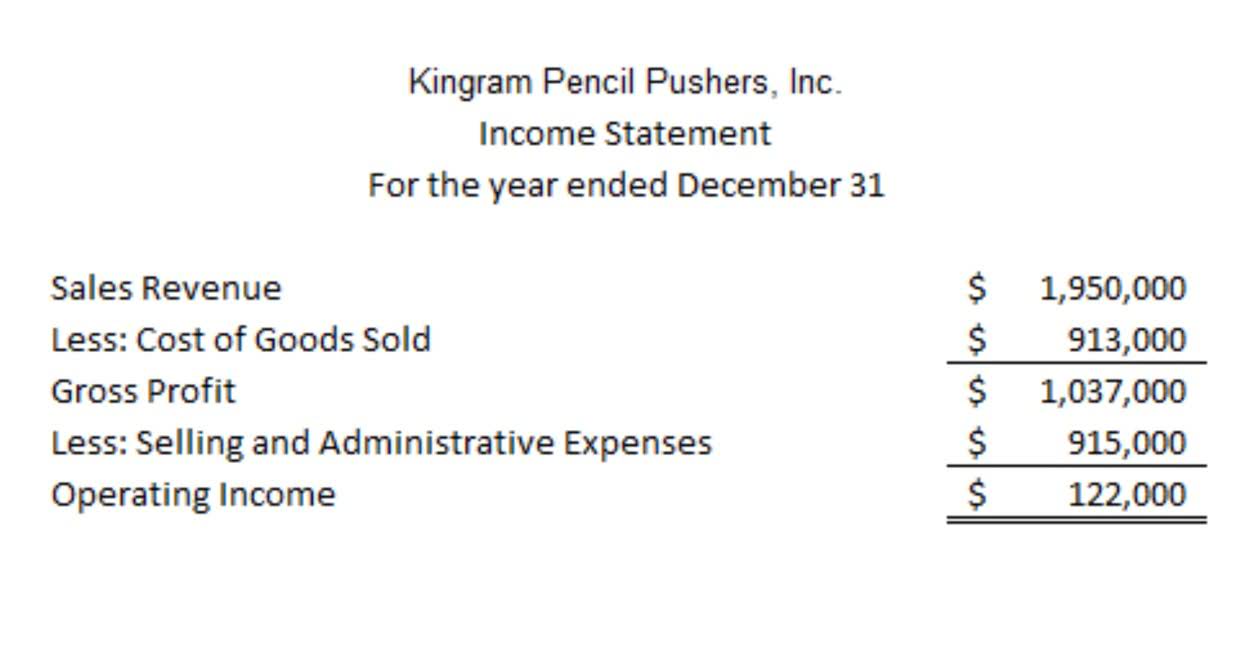
A chart of accounts is a tool used to categorize and organize all the financial transactions in a company’s accounting system. On the other hand, a balance sheet is a financial statement that provides a snapshot of a company’s financial position at a specific point in time. The balance sheet is generated using the data from the chart of accounts, which is separated into assets, liabilities, and equity sections. A chart of accounts organizes your finances into a streamlined system of numbered accounts.
Structure and Organization
Examples include cash, investments, accounts receivable, inventory, supplies, land, buildings, equipment, and vehicles. A record in the general ledger that is used to collect and store similar information. For example, a company will have a Cash account in which every transaction involving cash is recorded. A company selling merchandise on credit will record these sales in a Sales account and in an Accounts Receivable account.
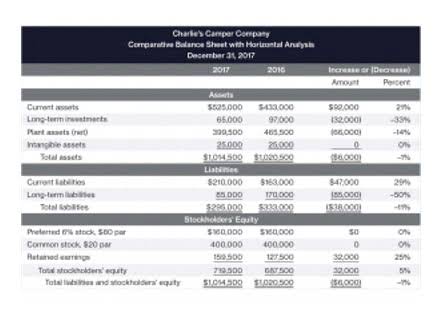
All the financial accounts that a company uses come under the Law Firm Accounts Receivable Management chart of accounts (COA). Let us consider this as an index of financial data that separate income, expenses, assets, liabilities, and equity for clear organization and reporting. A balance sheet provides insights into a company’s financial position at a specific point in time. It includes assets, liabilities, and owners’ equity, making it a valuable tool for understanding a company’s resources and financings. Assets represent what a company owns, liabilities represent what a company owes, and owners’ equity represents the shareholders’ investment.
Your chart of accounts is a living document for your business and because of that, accounts will inevitably need to be added or removed over time. The general rule for adding or removing accounts is to add accounts as they come in, but wait until the end of the year or quarter to remove any old accounts. Cost of goods sold is usually the largest expense on the income statement of a company selling products or goods. Cost of Goods Sold is a general ledger account under the perpetual inventory system. A stockholders’ equity account that generally reports the net income of a corporation from its inception until the balance sheet date less the dividends declared from its inception to the date of the balance sheet. (Some corporations have preferred stock in addition to their common stock.) Shares of common stock provide evidence of ownership in a corporation.
- A chart of accounts is a catalog of account names used to categorize transactions and keep your business’s financial history organized.
- Learn how to analyze a client’s cash flow and estimated taxes to implement more effective Roth conversion strategies with our NEW Kitces MasterClass, Optimizing Roth Conversions for Tax-Efficient Implementation.
- The accounting term that means an entry will be made on the left side of an account.
- Of course, your particular industry will also determine how you customize your COA.
- Obviously, that makes your chart of accounts essential to a host of different people and groups, from your decision-makers and stakeholders to potential investors and lenders.
Main chart of accounts components
The company decided to include a column to indicate whether a debit or credit will increase the amount in the account. This sample chart of accounts also includes a column containing a description of each account in order to assist in the selection of the most appropriate account. Your asset accounts will include anything you own that has value, like a building, land, equipment, vehicles, valuables, and inventory. Unfortunately, your assets may not look as pretty on your chart of accounts as they would on a real estate agent’s website. Asset accounts can be confusing because they not only track what you paid for the property, but they also follow things like depreciation. An equity account is a representation of anything that remains after accounting for all operating expenses and revenue accounts.
Income Statement Analysis
This may influence which products we review and write about (and where those products appear on the site), but it in no way affects our recommendations or advice, which are grounded in thousands of hours of research. Our partners cannot pay us to guarantee favorable reviews of their products or services. Our team is ready to learn about your business and guide you to the right solution. Revenue is the amount of money your business brings in by selling its products or services to clients. For the past 52 years, Harold Averkamp (CPA, MBA) hasworked as an accounting supervisor, manager, consultant, university instructor, and innovator in teaching accounting online. For the past 52 years, Harold Averkamp (CPA, MBA) has worked as an accounting supervisor, manager, consultant, university instructor, and innovator in teaching accounting online.

Operating Revenue Accounts

Having an accessible and easy-to-follow list of all accounts organized and ready to review law firm chart of accounts makes it easier to correctly record financial information from a new account or business transaction under the appropriate accounting category. If you’re using accounting software and want to set up a customized chart of accounts, you can add or edit parent and sub-accounts to the existing default chart of accounts. Doing this will help you stay organized and better understand how your business is doing financially.
No responses yet